Spotlight: Wider Implications of Handwriting Difficulties
Event Date:
19 January, 2026
Event Time:
6:00 PM
*This session is online! Do not worry if you can not watch live on the night – still book and we will send you the recording later in the week.*
This is Session 2 of a 2-part series by the National Handwriting Association (NHA), Session 1 can be booked here.
This session is appropriate for parents and education professionals.
Handwriting is a complex task which requires the integration of cognitive skills such as idea generation, grammar and spelling with the motor skill involved in letter formation. Research on writing skills in children with dyslexia as increased in recent years. Dr Emma Sumner is one researcher in the field who has considered handwriting and typing skills in detail. Her research will be presented alongside implications and strategies for teaching handwriting in the classroom.
In this session, our presenters Emma and Michelle will explore:
- What does current research tell us about the wider implications of handwriting difficulties
- What are the options for reasonable accommodations e.g. extra time/use of word processor
- Practical strategies when handwriting difficulties persist into secondary school
- What role do handwriting interventions have
- When to consider touch typing
The NHA is a national charity which supports the teaching and learning of handwriting and typing in school aged children. We promote best practice in the teaching, assessment and remediation of both skills and support key stakeholders such as educators and health care professionals in developing handwriting skills in children.
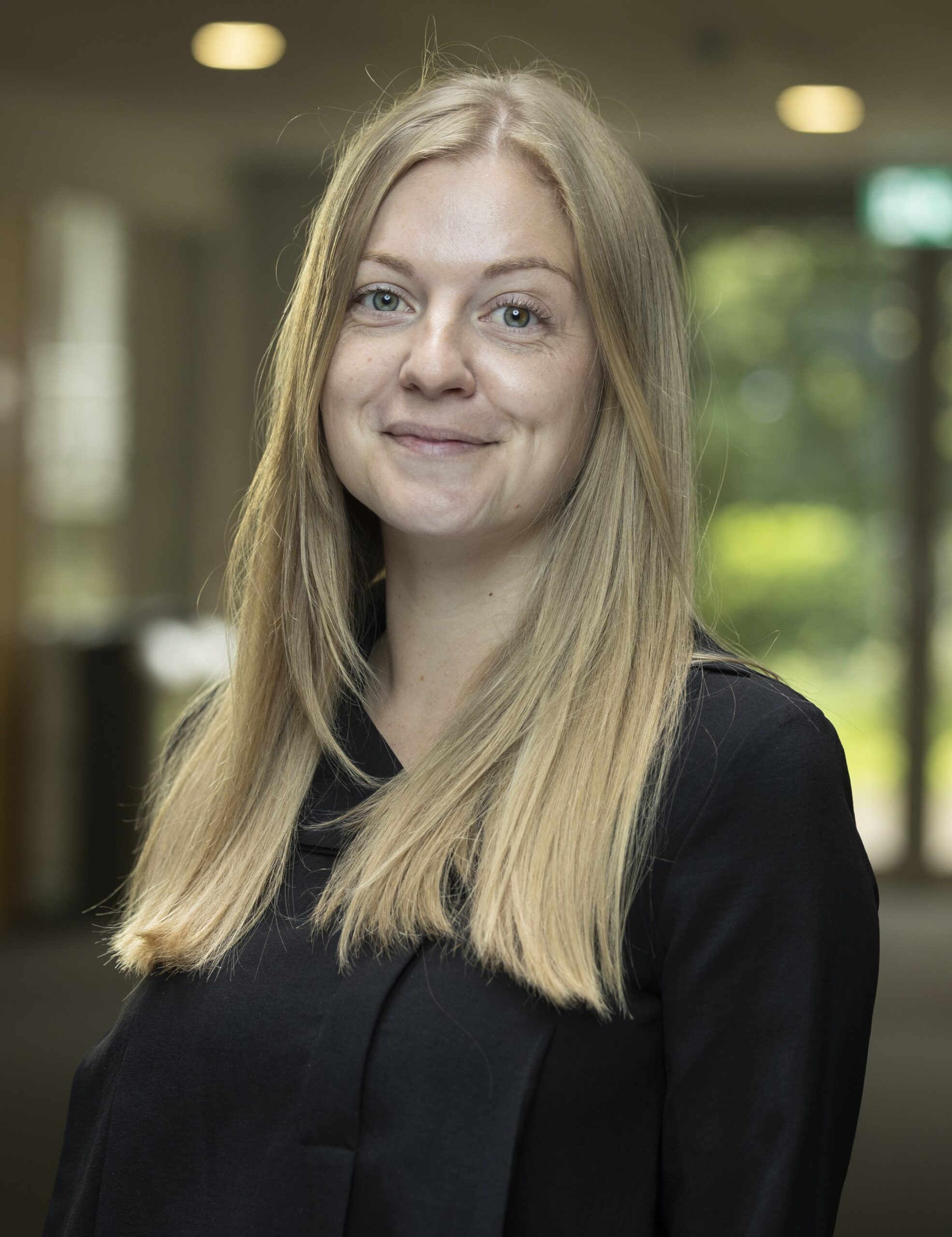 Dr Emma Sumner is a trustee and member of the executive committee at the NHA and is a Senior Lecturer in Psychology in Education at Liverpool John Moores University. Her research seeks to understand the nature of literacy difficulties, particularly struggles with writing, in children and young people with dyslexia. Previously she has examined the close relationship between spelling and handwriting development. More recently, she has focused on reviewing educational practices to support children and examining the efficacy of provision on offer, such as exam support and approaches to handwriting/typing. Emma is passionate about bridging the research-to-practice gap and has developed a number of knowledge-exchange programmes and CPD activities for teachers.
 Michelle Stone is Co Vice Chair of the NHA and is a specialist teacher in East Yorkshire for children with physical difficulties and disabilities. Michelle taught as an early years teacher in Hull and London, then becoming a Senior Teacher for a large inner city primary school in Leeds, before specialising in physical needs. Michelle is passionate about the importance of optimum physical development and handwriting/recording of work.