New! Personalised learning 1-2-1 tuition in the summer holidays

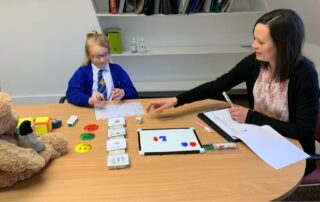
We have summer dates for our personalised learning one-to-one tuition sessions!

Book as many or as few as you like and give your child a boost in study skills, literacy, writing, spelling and memory and learning techniques. Maths sessions are also available.


Find out more.

By |2024-07-23T16:31:05+01:00May 28th, 2024|Course news, Homepage featured|Comments Off on New! Personalised learning 1-2-1 tuition in the summer holidays

A new definition of dyslexia

A new definition of dyslexia has been released following three years of research and consultation. The definition has been agreed across a broad range of expertise and is applicable across the ages. We are delighted that many members of the Helen Arkell community have contributed to this important work which will help us to support more people with dyslexia in the future.

You can view the definition here. The new definition identifies many of the same or similar underlying cognitive indicators of dyslexia, and how it impacts individuals. This means that everyone who was identified as dyslexic under the previous definition continues to meet the criteria for a diagnosis.

By |2024-09-02T09:43:54+01:00May 24th, 2024|Research news|Comments Off on A new definition of dyslexia

Lower price for our Study Skills download

With exams fast approaching, we are determined that you should be studying smarter, not harder! So we have reduced the price of our Study Skills and Strategies for GCSEs and A Levels download by 30% to just £45.

The two-hour video is packed full of tips, strategies and ideas to help learning and revising more effective.

Find out more here.

By |2024-07-23T16:31:27+01:00May 14th, 2024|Course news, Homepage featured|Comments Off on Lower price for our Study Skills download

Opportunities to take part in dyslexia research

We have had a flurry of requests from top universities to help recruit for various dyslexia research projects. Supporting dyslexia research is an important part of what we do here at Helen Arkell because the more that is known about dyslexia, the better we can be at understanding it and providing support.

All the research projects we promote have been approved by the appropriate university ethics committees and, in turn, by us at Helen Arkell.

We have three research projects. If suitable, we would love for you to take part. Some of the projects offer a small financial reward for taking part:

  • Christina at London South Bank University is asking for adults aged 18 to 40 with and without dyslexia to complete a series of questionnaires and verbal and non-verbal cognitive tasks. The study takes place in a lab at London South Bank University (Elephant & Castle campus), and takes approximately 1 hour 30 minutes. The purpose of the study is to compare the performance of people with and without dyslexia on tasks and questionnaires relating to the executive function of planning. Executive functions enable us to pay attention, plan, organise and set goals, for example they enable us to plan a holiday. Christina wants to find out whether individuals with dyslexia have any strengths or difficulties when it comes to planning, organisation and time management. If difficulties are identified, future research can explore interventions and other adjustments that can be made to help the individuals. Find out more.
  • Jovana at the University of Surrey is looking for adolescents with reading difficulties, their parents and teachers to create a panel of experts by experience to help design a research project. Find out more.
  • Manon at the University of Cambridge is running a study into music perception in dyslexia. This study aims to gain a better understanding of the mechanisms underlying speech and music processing (and their potential interactions) in people with and without reading difficulties, with a view to paving the way for new methods of remediation. To carry out this project, he is looking for volunteers aged between 18 and 40 with developmental dyslexia, who are native speakers of English and who are not musicians. Find out more.
By |2024-07-23T16:31:40+01:00May 13th, 2024|Research news|Comments Off on Opportunities to take part in dyslexia research

New Spotlight: AI and Dyslexia/SpLDs – How can AI support learners?

As advances in Artificial Intelligences continue, how can it help learners with dyslexia and other learning difficulties? Join Alastair Brown, Chief Artificial Intelligence Officer at AI First Talent to find out.

The Spotlight: AI and Dyslexia/SpLDs – How can AI support learners? will be held live online on Monday 10 June at 6 pm with a recording available afterwards. The live webinar will include a Q & A session. Tickets are £10.

You can find out more and book here.

See you there!

By |2024-07-23T16:31:50+01:00May 13th, 2024|Course news|Comments Off on New Spotlight: AI and Dyslexia/SpLDs – How can AI support learners?

Book a Touch Typing course – Summer holiday dates

Our Touch Typing courses are aimed at children aged 6 to teens and get booked up quickly!

The course is held at our Centre in Farnham, Surrey and comprises three 90-minute sessions over three days during Summer holiday from Monday 29 July to Wednesday 31 July

Book in age ranges to suit your child:

  • Age 6 to 11
  • Age 10 to teens
  • Mixed ages

Being able to type quickly and accurately can make all the difference in class – especially if hand writing is a struggle.

Book here.

By |2024-07-23T16:31:59+01:00May 13th, 2024|Course news|Comments Off on Book a Touch Typing course – Summer holiday dates

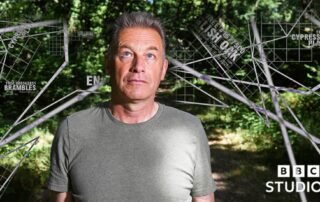
BBC Inside Our Minds – Could you take part?

Chris Packham and the BBC are looking for people with dyslexia, for a programme they will be doing soon.

If you are over 18 and have a dyslexia diagnosis, they would like to hear from you.

Take a look at the short BBC video here and email dyslexia.insideourminds@bbc.com with your name and phone number or your own video if you wish.

Good luck!

By |2024-07-23T16:32:19+01:00May 12th, 2024|Research news|Comments Off on BBC Inside Our Minds – Could you take part?
Go to Top