Visual Difficulties and Dyslexia Assessment
You or your child must have had a sight test within the last 2 years before we can carry out a dyslexia assessment.
Before a dyslexia assessment can take place, we always require that clients have had an up-to-date sight test to make sure any visual problems are checked out (i.e. the need for prescription glasses, or discovery of a medical condition).
All children under the age of 16, and young people aged 16 – 19 in full-time education, are entitled to a free NHS sight test with an optometrist, and to an optical voucher to help with the cost of glasses or contact lenses. Other people may also be eligible for a free sight test if they meet the eligibility criteria – see full list on the NHS website.
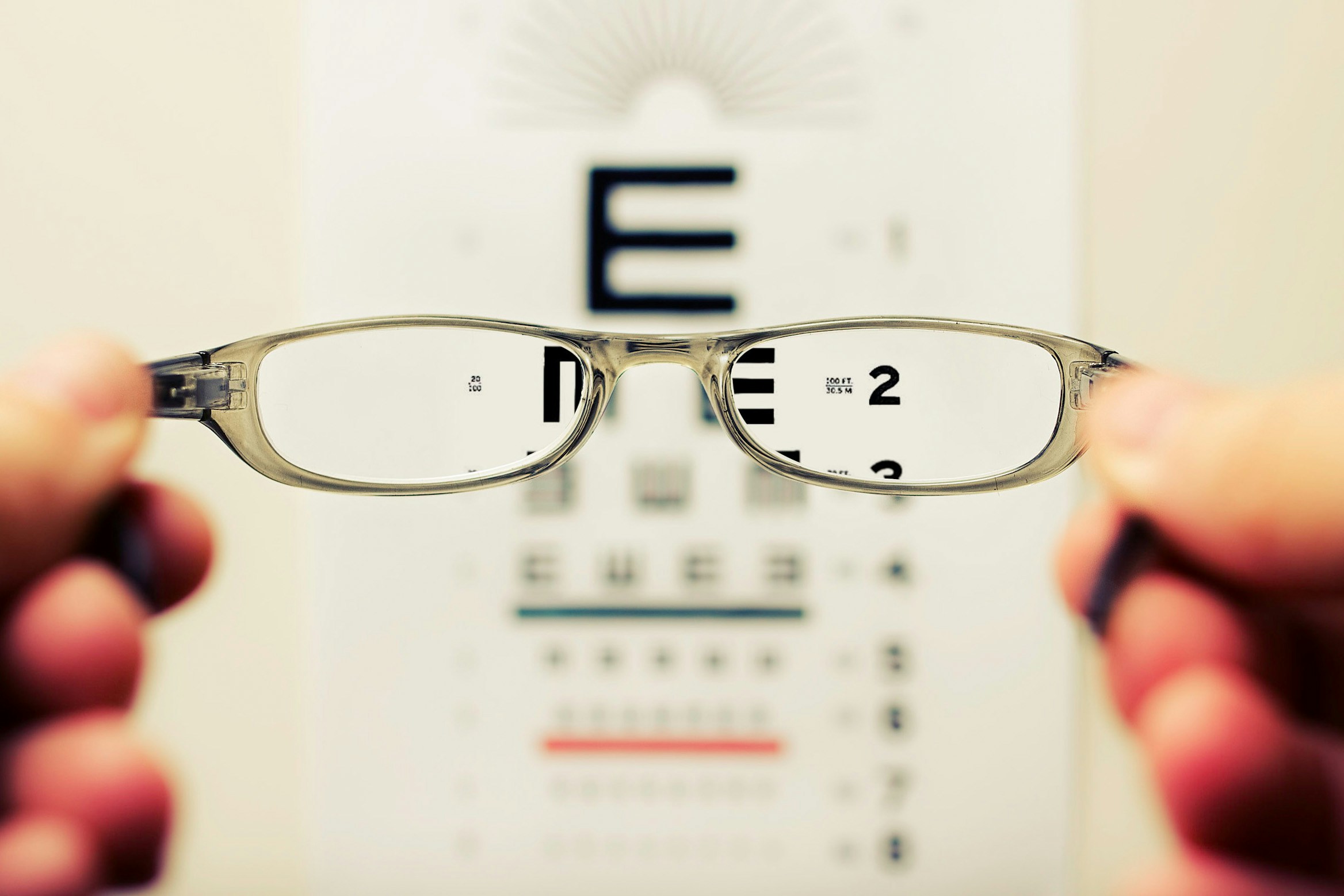
Commonly Experienced Visual Difficulties
Visual difficulties of all types occur in individuals with or without specific learning difficulties such as dyslexia. There is evidence that some types of visual difficulty are more prevalent in individuals with specific learning difficulties, but current research suggests that dyslexia is not caused by visual difficulties, and that they are a separate issue.
Some people experience visual discomfort or disturbance when they read, which can significantly impact reading ability, and/or make reading very tiring. If you do have dyslexia, visual difficulties can make reading even more difficult for you.
If you or your child experience any of the following symptoms, these must be discussed with the optometrist conducting your sight test.
- headaches and/or eyestrain when reading or studying
- eyes feeling sore, gritty or watery
- discomfort with brightness of the page/screen
- print appearing blurred or going in and out of focus
- print appearing double when reading
- words seeming to move or merge when reading
- distant objects appearing more blurred after reading
- needing to screw up your eyes to see more clearly when reading
- needing to move your eyes around or blink to make things clearer when reading
There are a variety of different causes for these symptoms, some of which may be due to disease or abnormality, so it is very important they are investigated by an appropriately qualified vision professional who can give appropriate advice and/or treatment. Your optometrist will advise you if you need further treatment with another vision professional.
What We Need Before We Can Book Your Assessment
- A sight test within the last 2 years. An NHS sight test assesses eye health and identifies the likely causes of visual problems that affect reading and other near work. The sight test should include an assessment of the ability of the eyes to focus and work together correctly (binocular accommodation and convergence). In many cases the NHS sight test is all that is required to identify a problem and provide appropriate treatment with prescription glasses or contact lenses.
- A completed visual questionnaire. If your responses indicate that you have visual difficulties, we will need written confirmation from your optometrist that you have discussed these difficulties with them and any treatment they recommend. See here for more information on having an NHS sight test earlier than planned How often can I have a free NHS sight test?
- If your optometrist refers you for further investigation (e.g. to an orthoptist or eye clinic) or recommends treatment such as eye exercises, we advise waiting until any ongoing investigation or treatment is completed, before we conduct assessment for dyslexia.
Why We Need This Before We Can Assess
- It is important that any visual difficulties are investigated at the earliest opportunity by an optometrist so that any health problems can be identified. We also need to be sure that any visual difficulties will not negatively impact the tests we use when assessing for dyslexia.
- Such investigations before an assessment significantly reduce the chance of an assessor being unable to make a diagnosis of dyslexia (if appropriate).
At Your Dyslexia Assessment
- If you have been prescribed glasses or contact lenses for near work, then these should be worn at your assessment for dyslexia. We advise that you or your child wear the new glasses for at least 3-4 weeks before an assessment for dyslexia takes place. If you or your child uses a coloured overlay then you should bring this to your assessment.
- If during an assessment for dyslexia, our assessor has concerns regarding your or your child’s vision, they may refer you back to an optometrist, whether or not you have had a recent sight test.
- If they consider that visual difficulties are impacting your performance in the assessment, they may not find sufficient evidence for dyslexia and therefore will not make a diagnosis of dyslexia.
We held a webinar about Visual Difficulties and Dyslexia, which you may find helpful to watch at a cost of £10. Please click the link here to watch.