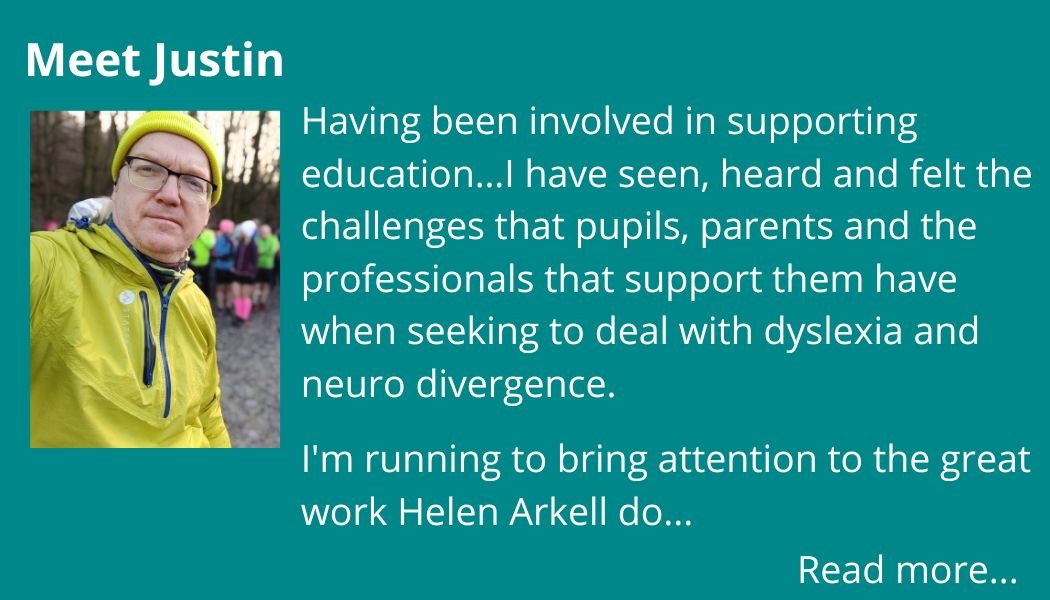

Meet our London Marathon runners

Support our amazing London Marathon 2023 runners

These dedicated individuals are pushing themselves to the limit training in preparation for the event on 23 April.

And if that wasn’t enough, they’re running to raise funds for the people we support at Helen Arkell Dyslexia Charity.

Click on their stories below to find out what led them to commit to running for Helen Arkell and how you can support them.

Debbie training for the London Marathon
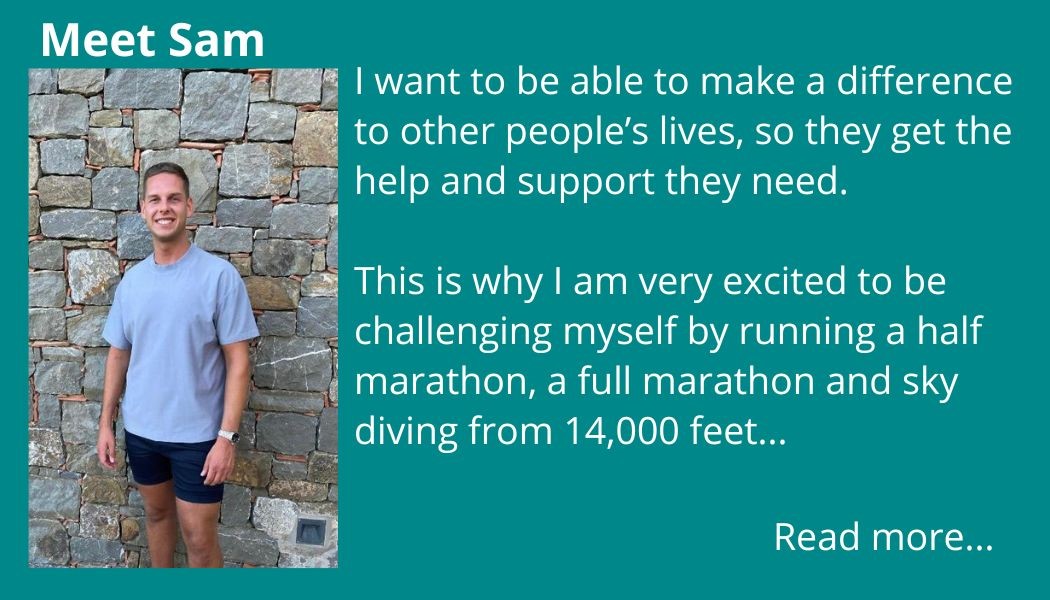
Sam is running the London marathon
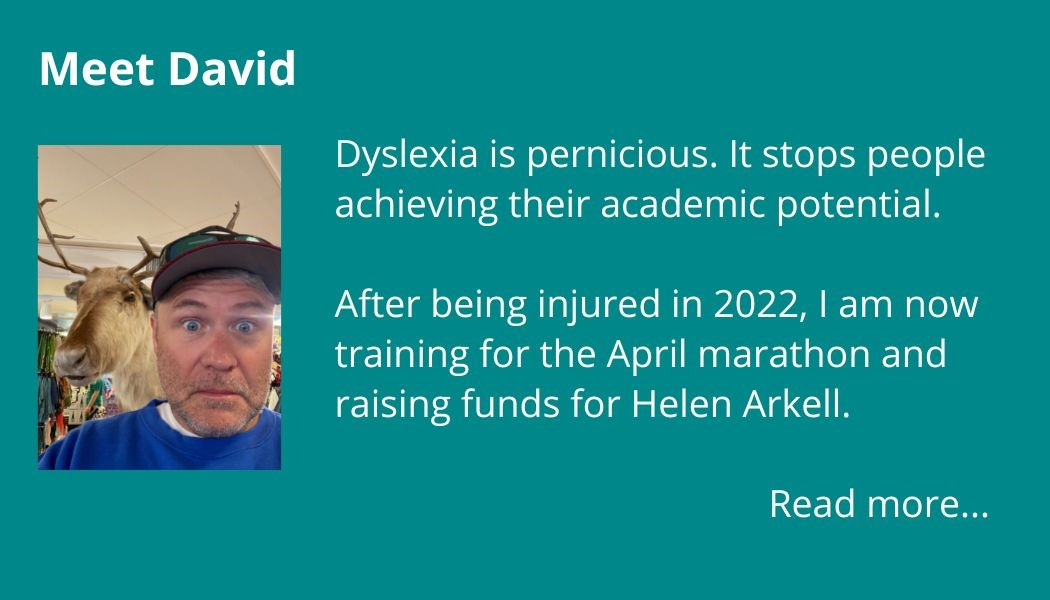
David is running the London Marathon
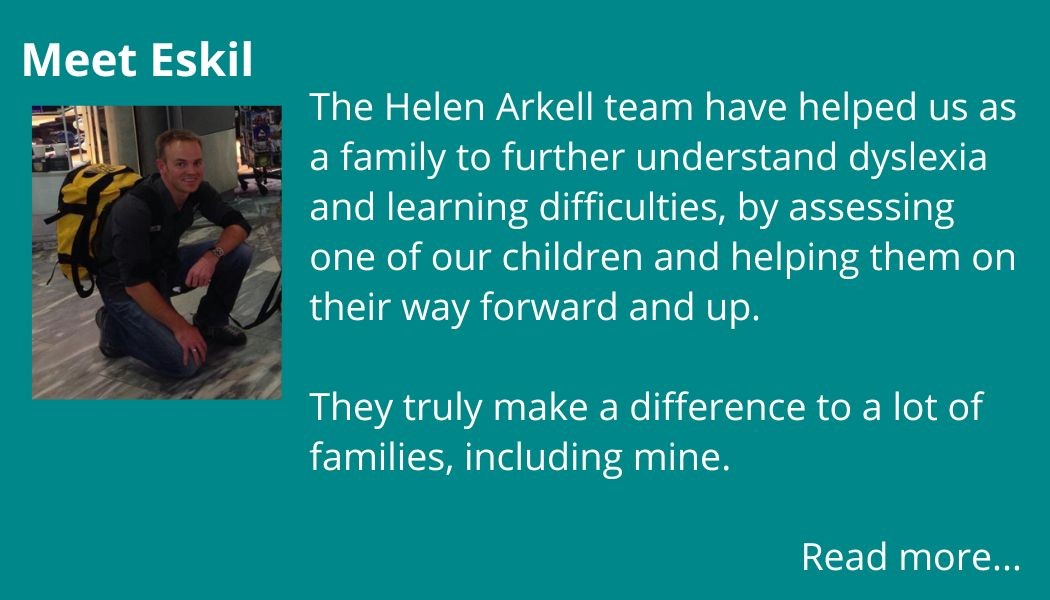
Eskil is running the London Marathon
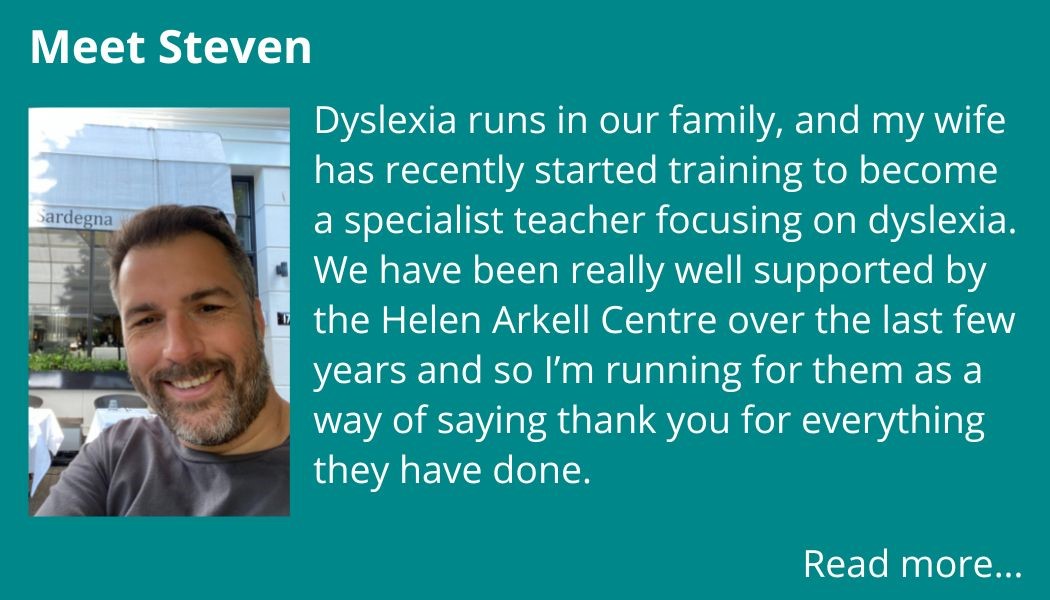
Steven is running the London Marathon
Justin is running the London Marathon
By |2024-04-24T09:33:45+01:00March 13th, 2023|Fundraising news|Comments Off on Meet our London Marathon runners

New Spotlight session on Dyslexia and Nutrition

Wednesday 24 May, 6 to 7.30 pm

Links between ADHD, autism and the potential role(s) of nutrition are relatively well documented. Less is known about how nutrition could be of benefit to individuals with dyslexia. This presentation from nutritionist Dr Emma Derbyshire will look at:

  • The role of the in-utero environment and brain development
  • Where we are up to with nutrition in children and teens
  • The evidence base for some key nutrients and brain function
  • Some nutrition considerations and recommendations

Find out more and book.

By |2024-07-23T16:48:46+01:00February 23rd, 2023|Course news|Comments Off on New Spotlight session on Dyslexia and Nutrition

New Spotlight session on dyslexia and executive function skills

Monday 24 April, 6 to 7.30 pm

Executive functions are a family of three core brain processes: inhibitory control, working memory and cognitive flexibility. These three core executive functions work together in different ways resulting in a set of other high-order skills called executive function skills. There are 11 executive functions skills including time-management, organisation, planning, emotional control and response inhibition.

Many neurodivergent people experience executive function challenges. As part of this talk, expert Victoria Bagnall will look at:

  • the links between Dyslexia and executive functioning
  • how executive functions impact physical health and mental wellbeing throughout life
  • how executive functions impact teaching and learning
  • introduce a 3-step approach to supporting the development of these essential skills.

Find out more and book.

By |2024-07-23T16:48:55+01:00February 20th, 2023|Course news|Comments Off on New Spotlight session on dyslexia and executive function skills

Research study – Understanding Reading and Anxiety

Can you help with research into the links between people’s reading skills and anxiety?

The University of Surrey is conducting research into this and, whether you have reading difficulties or not, would like you to take part. It’s for those aged 18 and over who speak fluent English.

The survey takes 20 to 30 minutes and is found here.

By |2024-07-23T16:49:02+01:00February 16th, 2023|Research news|Comments Off on Research study – Understanding Reading and Anxiety

Discover Adventure – and support people with dyslexia

We’ve partnered with Discover Adventure who are award-winning specialists in UK and worldwide trekking and cycling challenges. They offer challenges and adventures all over the world specifically for individuals and groups who are fundraising. Are you ready for an adventure? Want to challenge yourself? There are loads to choose from, with a small selection below. Or head to their website to choose your big adventure!

UK Coast to Coast Cycle

Yorkshire 3 Peaks Weekend

Mount Toubkal Trek

By |2024-07-23T16:49:09+01:00February 6th, 2023|Fundraising news|Comments Off on Discover Adventure – and support people with dyslexia

Farewell Sir Jim

It is with heavy heart that I pass on the sad news of the passing of Sir Jim Rose CBE. This comes as a great blow to the whole dyslexia world, which loses one of its most pioneering, respected and popular figureheads.

Jim’s renowned ‘Rose Report’ of 2006 led to important changes to the way reading was taught in schools, and his definition of dyslexia has been instrumental in enabling countless thousands of children and adults with dyslexia to access the help they need.

Some people leave a lasting mark in their lives, which continues for generations and generations to come, and Jim is one of those people. His dedication in the field of specific learning difficulties was second to none, and so trusted was he by the authorities, that the government of 2009 committed £10 million to the training of 4,000 specialist dyslexia teachers, on the back of one of Jim’s many independent reviews.

Above all, Jim was a lovely, helpful man. A real gentleman. He was a great friend to Helen Arkell Dyslexia Charity, as he lived just down the road.

He had already worked closely with several of my predecessors before I joined the charity in 2017. At that time, Jim was chair of the Dyslexia/SpLD Trust, so I had the honour to meet him on several occasions, as I attended on behalf of Helen Arkell. He had a great sense of humour and bottomless patience when explaining the issues surrounding the subject of dyslexia to me as a new boy in the field. He sent me countless links to research papers and articles, to help me settle in, and I was so grateful for that.

The last time I saw Jim was just before Christmas, at the All Party Parliamentary Group on Dyslexia and Other Specific Learning Difficulties. Sadly, this was again on Zoom, which did not give the opportunity for a cup of tea and a catch-up, but he was clearly still deeply committed to the cause of education in general, and dyslexia in particular, right up to the end.

Jim, you will be sorely missed by the whole dyslexia world and by the whole Helen Arkell community. We will do our best to carry on where you left off, and to show the same passion and commitment as you did. You left the world in a much better place for people with dyslexia than when you joined it, and you should be extremely proud of everything you achieved.

Our thoughts, best wishes, and most sincere condolences are with all your family.

Andy

PS A note from Bernadette McLean, former Principal at Helen Arkell Dyslexia Charity:

Jim Rose’s passing is a sad loss, not just for his family and friends, but for all who knew him in the world of dyslexia.

His professional accomplishments were many and his influence on policy was instrumental in achieving extra support for pupils and their families.

First and foremost, Jim was an educator embodying all the aspects of good teaching, particularly patience and observation of what works and what doesn’t. These qualities were not confined to the classroom but to the whole of his professional life and these attributes ensured that he and HADC founder, Helen Arkell were kindred spirits.

Retirement did not slow him down. He was busier than ever and involved in a multitude of educational projects. After he suffered a serious car accident some years ago, we shared car journeys to many venues. On these I came to learn of the many interests Jim had well beyond the teaching of literacy; his passions included poetry, music and gardening.

Jim and his late wife, Pauline had moved to Surrey to be closer to their grandchildren who remained an important part of his life. He encouraged his family to call his grandson Ben, a phonic regular word, easy to learn. Always the teacher!

His words and wisdom will endure but he will be missed.

Bernadette McLean

PPS, from Dr Geraldine Price, Trustee of Helen Arkell

Sir Jim Rose: friend and inspiration

Sir Jim Rose was a champion for dyslexia and reading. He was a former head teacher so knew the education system from all levels, warts and all. He was passionate about providing the best and most appropriate education for ALL children. His depth of knowledge and understanding of SEN insured that his voice was heard. He was influential and people in power listened to his words of wisdom. I was privileged to work with Jim when asked to join the government-commissioned committee which looked into the identification and teaching of young people with dyslexia and literacy difficulties. The outcome of this is known as the Rose Report. The committee consisted of different professionals involved in this educational field: all with differing views and different research bases. It is to Jim’s credit and expertise that some consensus was achieved. Indeed, the definition of dyslexia is used widely in schools today as a benchmark in the identification process.

Jim was always down-to-earth and asked incisive questions when the debates within the committee were intense. He made us all sit up and reconsider our ideas. Thus, he helped professionals to look at things differently. He guided us to take practical solutions which were all adopted by the government. He achieved this with his sense of humour and kindness.

He worked tirelessly with many dyslexia charities and educational associations. He was generous with his time with Helen Arkell Dyslexia Charity. He will be sorely missed.

Geraldine Price

By |2024-07-23T16:49:18+01:00February 1st, 2023|CEO blog|Comments Off on Farewell Sir Jim

Three reasons to have a dyslexia assessment as an adult

Many people don’t find out that they have dyslexia until they are adults. Perhaps your schooling is over – quite recently or a long time ago – and you feel it’s too late to worry about whether you are dyslexic.

Here are three reasons why a dyslexia assessment as an adult – at any age at all – can be a good move.

1 You will understand yourself better

Many people with dyslexia are very bright but found school a struggle. This may have had a huge impact on confidence and made them feel they are stupid and affected the choices they made and continue to make.

Having a dyslexia assessment may explain why you found it so difficult to achieve academically. You will discover what your weaknesses are and why you have them, but also where your strengths lie – and how you can use these to overcome those weaknesses. This can be a huge boost to confidence and a relief to understand what has been going on over the years. It can help you forgive yourself if you didn’t achieve what you might have and help you imagine what you could do with the right support.

2 It can have a positive effect on your career

Once you have your dyslexia report, you can approach your employer and ask for reasonable adjustments to your work environment or work processes to help you do your job more easily and effectively. This may be having presentation slides given to you in advance of a meeting, being given verbal rather than written instructions, having notes printed on pale-coloured paper or it might be that some tasks are given to someone else while you take on those that are better suited to your skills. Under the Equality Act 2010, dyslexia is classed as a disability and you have a right to reasonable adjustments being made by your employer.

Employers are now beginning to see that there is huge value in employing workers with dyslexia. People with dyslexia can be incredibly creative in all sorts of ways, including problem solving. They often approach problems and tasks in a different way to those who do not have dyslexia and can be innovative in their solutions. This kind of ‘out of the box’ thinking is hugely valuable to employers.

An assessment can also open the door to support for further training or academic opportunities. What could you achieve?

3 It can help your child with their dyslexia

Dyslexia is often inherited. If you have a child who has been diagnosed with dyslexia, it can be hugely helpful to have any concerns about whether you have dyslexia addressed. You can both be ‘in it together’. It can help you both to help each other, give you both confidence and help you both to find ways to overcome struggles. It can help you discuss your child’s dyslexia at school if you have a better idea why and how they are struggling. You speaking openly, positively and without embarrassment about your dyslexia can help your child do the same, changing how they feel about being dyslexic and ultimately celebrating their strengths.

How can you get an adult dyslexia assessment?

If now is the moment to have a dyslexia assessment, Helen Arkell Dyslexia Charity offers a range of services for adults, including adult dyslexia assessments.

‘Having spent all my life not knowing why I was experiencing difficulties, and believing I was not intelligent at all, finally having official recognition of my condition is extremely helpful: a lot of things now ‘make sense’… It might sound dramatic, and would definitely have been something I would have been very skeptical about if you had asked me before my diagnosis, but my diagnosis has allowed me to feel validated for being myself.’

Assessed adult, aged 61

‘It helped me understand where my difficulty with memory retention came from and feel more confident because of it.’

Assessed adult

‘… my diagnosis has helped me get the support I need from my university to accomplish my full potential in my studies. I have recommended Helen Arkell to anyone I know struggling with symptoms of dyslexia who may wish to have an assessment.’

Assessed adult

By |2024-07-23T16:49:33+01:00January 27th, 2023|Team blog|Comments Off on Three reasons to have a dyslexia assessment as an adult

We’re growing our specialist team!

We are growing our team of specialist teachers, as we help increasing numbers of people who have dyslexia or other specific learning difficulties. We are keen to continue extending both our face to face and online provision.  Providing expert, personal and life-changing support to people with dyslexia is crucial to the way we fulfil our charitable mission.

To find out more, download our application pack.

By |2024-10-10T09:40:12+01:00January 27th, 2023|SEN vacancies|Comments Off on We’re growing our specialist team!

Spotlight session – EHCPs

Do you need the low-down on EHCPs? What are these Education, Health and Care Plans? Who should have one and how do you get one?

We’re delighted that Rachael Allison of law firm Boyes Turner LLP will be joining us on 28 February for a webinar on all things EHCP. Come and join us or, if you can’t make the date, book now and we’ll send you the recording. All for just £5!

Details and booking here.

By |2024-07-23T16:49:50+01:00January 27th, 2023|Course news|Comments Off on Spotlight session – EHCPs

Lunch and Learn sessions for workplaces

Online Lunch and Learn sessions for workplaces: Dyslexia – its effects upon your employees and their families

This online session introduces your team to the issues surrounding dyslexia, a condition that affects more than 1 in 10 people in the UK.

A Lunch and Learn session is likely to appeal to many people across your organisation, whether they have a basic awareness of dyslexia or not. Dyslexia is a hidden disability and is recognised as a protected characteristic under the Equality Act 2010. As such, participation in this interactive session will demonstrate your commitment to inclusive practice within your team. It is relevant to all workplaces, across all sectors.

The session’s aim is to provide you with a clear understanding of dyslexia and its effects upon colleagues, including strengths in areas like problem-solving and ingenuity as well as challenges commonly experienced with literacy-based tasks and processing information. Interactive elements help simulate some of the experiences of dyslexia to the audience. Also, it gives an opportunity for those attending to share their own experiences of dyslexia if they wish.

Lunch and Learn sessions are normally an hour long, including time for questions and answers, but can be adapted to suit the needs and availability of your staff.

“I just wanted to say a big thank you for doing the presentation on Monday. It was well received and got some good discussion going which is exactly what we want. People particularly liked the practical challenges at the end which really brought home some of the challenges dyslexic people face.”

Simon, British Land
Please contact us to arrange your Lunch and Learn session.

Email enquiries@helenarkell.org.uk

By |2024-07-23T16:49:59+01:00January 26th, 2023|Course news, Team blog|Comments Off on Lunch and Learn sessions for workplaces
Go to Top